By Clever Marisa
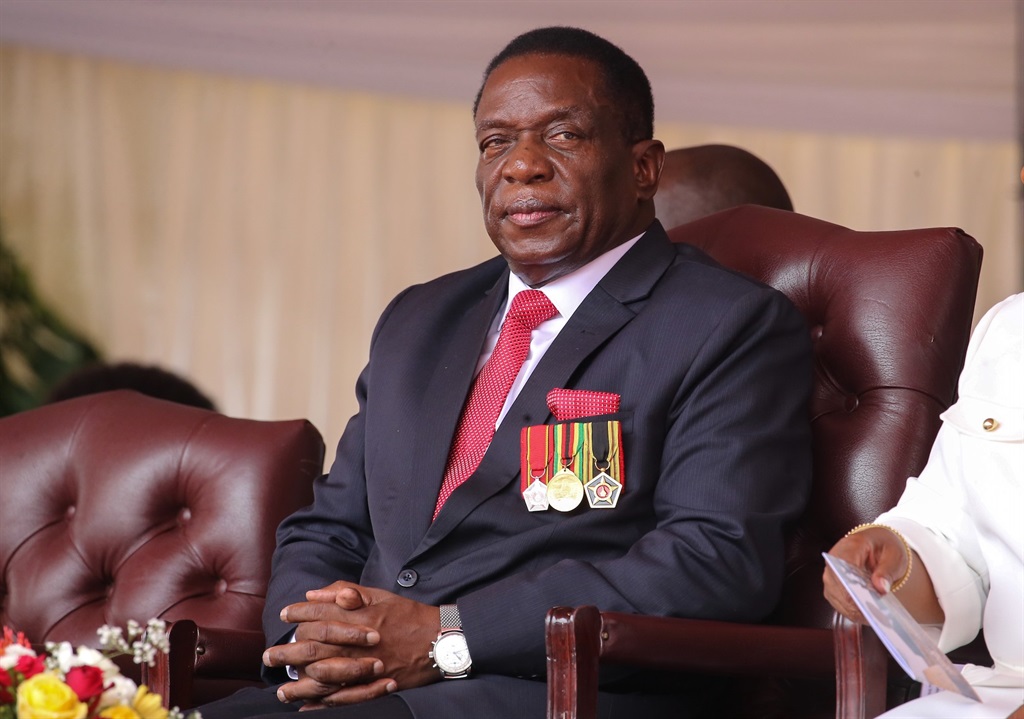
Zimbabwe’s Vision 2030 stands as a beacon of national aspiration, an ambitious yet attainable roadmap designed to transform the country into an upper-middle-income society by the year 2030. Often described as “the house on top of the hill,” it symbolises a future of prosperity, dignity, and shared progress. Achieving this vision, however, requires more than policy documents and strategic plans; it demands the collective commitment of every citizen, institution, and stakeholder. President Mnangagwa’s administration has consistently demonstrated its dedication to this goal, and it is imperative that the nation rallies behind his efforts to bring Vision 2030 to fruition.
A key hallmark of President Mnangagwa’s leadership has been the translation of policy into action. His administration has moved beyond rhetoric by implementing tangible, high-impact projects across the country. A look at Zimbabwe’s current development landscape reveals a remarkable shift driven by infrastructure expansion, economic reforms, and social investments. Roads, bridges, dams, housing units, and energy projects are taking shape in both urban and rural areas. These developments are not isolated achievements; they represent a deliberate, coordinated push to modernise the nation and ensure that no one, and no place, is left behind.
The President’s commitment to national development is anchored in detailed, time-bound strategies that guide Zimbabwe’s progress toward Vision 2030. The Transitional Stabilization Programme (2018–2020) provided the initial foundation by stabilizing key economic fundamentals and restoring order to critical systems. Building on this, the National Development Strategy 1 (2021–2025) introduced a transformative agenda centred on inclusive growth, innovation, industrialisation, and improved public services. The forthcoming National Development Strategy 2 (2026–2030) is expected to consolidate these gains, accelerate modernization, and steer the country to its ultimate target of becoming an upper-middle-income economy. These strategies are uniquely tailored to Zimbabwe’s context, ensuring that every sector contributes meaningfully to long-term national progress.
One of the most visible demonstrations of the President’s dedication to Vision 2030 is the massive infrastructure development program currently underway. The ongoing construction and rehabilitation of roads and bridges are strengthening connectivity between provinces, unlocking trade corridors, and significantly reducing transportation costs for businesses and communities. Improved infrastructure does not merely enhance mobility, but it also stimulates commerce, attracts investment, and promotes regional integration.
Similarly, the expansion of housing projects is addressing long-standing shortages and improving the quality of life for thousands of families. These housing developments are more than buildings; they are the foundation of sustainable, empowered, and inclusive communities. Behind every unit constructed is a family whose dignity and security have been restored, and behind every bridge completed is a community newly connected to opportunity.
As the nation moves steadily toward 2030, it becomes increasingly important for all stakeholders, citizens, civil society, the private sector, and development partners to join hands in support of this shared vision. National progress thrives on unity of purpose. While criticism has its place in any democracy, criticism for its own sake adds little value. Constructive engagement, meaningful participation, and a willingness to acknowledge progress where it is due are essential for nation-building. Good work warrants recognition, and President Mnangagwa’s developmental focus deserves appreciation and collective reinforcement.
The road to Vision 2030 will not be without challenges. Every transformative journey encounters obstacles, and Zimbabwe’s path is no exception. Yet the resilience of the Zimbabwean people, combined with the President’s steady leadership, provides a strong foundation for overcoming adversity. This is a defining moment for the nation, a chance to shape a prosperous future for current and future generations.
Vision 2030 is not a distant dream; it is an achievable national objective rooted in strategic planning, tangible progress, and unwavering political will. The initiatives currently transforming the country reflect the President’s clear commitment to this goal. Now more than ever, Zimbabwe needs unity, collaboration, and shared resolve. Let us rally behind the President’s vision, support ongoing developmental programs, and work collectively to build a prosperous, inclusive, and sustainable Zimbabwe.
By Clever Marisa (PhD), Social Scientist and Public Health Practitioner. The views expressed are his own and do not necessarily reflect those of any affiliated institution or organisation.