By Clever Marisa
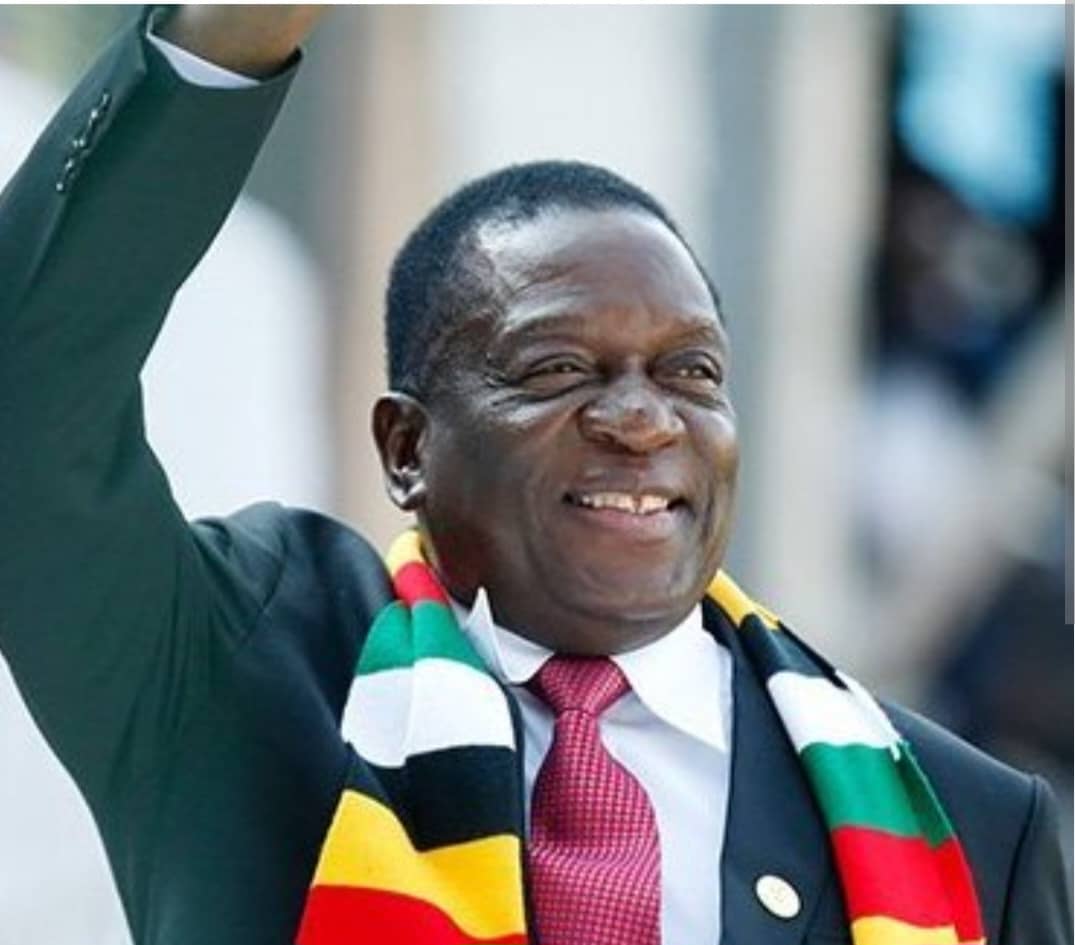
The philosophy of “leaving no one and no place behind” is not merely a political slogan; it is a transformative governance principle that lies at the very heart of President Emmerson Mnangagwa’s leadership vision.
It reflects a deep commitment to inclusive development, social justice, national unity, and equitable economic progress. At its core, this philosophy seeks to ensure that every citizen—regardless of geographic location, social status, political affiliation, tribe, race, or religion—has a meaningful stake in the nation’s development journey.
In simple terms, the President’s vision is clear: national development must be broad-based, people-centred, and spatially inclusive. Economic growth should not be concentrated in a few urban centres or benefit only a privileged minority. Instead, development must reach rural communities, growth points, marginalised regions, and historically neglected areas. Every village, town, city, and province matters. Every citizen counts.
This philosophy is closely aligned with the broader national aspiration of transforming the country into an upper-middle-income economy by 2030.
Vision 2030 is not achievable if development is uneven, exclusionary, or selective. Sustainable national progress can only be realised when economic opportunities, infrastructure, social services, and investment are spread across the entire country.
The President understands that prosperity that excludes others is fragile, divisive, and ultimately unsustainable. Through this inclusive approach, the President has demonstrated stewardship leadership—a leadership style grounded in responsibility, accountability, service, and long-term national interest.
Stewardship leadership places the welfare of the people above personal or partisan considerations. It recognises leadership as a duty to serve, unite, and uplift all citizens. This explains why the President consistently emphasises unity, peace, tolerance, and collective responsibility as essential foundations for development.
The philosophy of leaving no one and no place behind also speaks directly to economic justice. It acknowledges that historical imbalances, structural inequalities, and geographic disparities have left some communities behind.
Addressing these gaps requires deliberate policy choices, targeted investments, and inclusive planning. This is why infrastructure development—roads, schools, hospitals, dams, housing projects, energy facilities, and ICT infrastructure—has been rolled out across provinces, districts, and rural areas.
Development is no longer confined to capital cities alone; it is visible in growth points, rural service centres, and remote communities.
Importantly, this development drive is not accidental. It is intentional and strategic. Infrastructure is the backbone of economic growth. Roads connect farmers to markets. Electricity powers industries and households. Water infrastructure supports agriculture and food security.
Schools and health facilities build human capital. By ensuring that such infrastructure reaches all corners of the country, the President is laying a solid foundation for inclusive economic participation and shared prosperity.
Equally significant is the President’s emphasis on equality and non-discrimination. His leadership philosophy affirms that the nation belongs to all its people. No citizen should be excluded or marginalised on the basis of tribe, race, religion, gender, or political affiliation.
Development must transcend political differences and social divisions. In this regard, the President truly stands as the President of the nation and the President of the people, entrusted with the responsibility of serving all, without fear or favour.
This inclusive outlook fosters national cohesion and social harmony. When people feel seen, heard, and included, they develop a sense of ownership and patriotism. They become active participants in national development rather than passive observers.
This is why the President consistently calls for unity of purpose and a coordinated national effort. Development is not the responsibility of the government alone; it requires collaboration among the public sector, private sector, civil society, traditional leaders, youth, women, and communities at large.
The achievements of the new dispensation provide tangible evidence of this philosophy in action. Across the country, there is visible infrastructure development—roads under construction, public institutions being modernised, housing projects underway, and productive sectors being revived.
These developments are not abstract ideas; they are real, measurable, and observable. One does not need a rocket scientist to point out the progress—citizens can see and experience it in their daily lives.
However, it is important to recognise that transformation is a process, not an event. Challenges remain, and much work still lies ahead. Yet the direction is clear, the vision is sound, and the foundation has been laid. What is now required is sustained commitment, public support, accountability, and collective effort. When citizens rally behind a shared national vision, progress accelerates.
The philosophy of leaving no one and no place behind represents a bold, humane, and forward-looking approach to leadership and governance. It affirms that true development must be inclusive, equitable, and people-driven. The priority given to national unity, inclusive economic growth, and balanced development has set the country on a path toward sustainable prosperity and social cohesion, as the President has emphasised.
Vision 2030 is not the President’s vision alone, but it is a national vision that requires collective ownership. Supporting this philosophy means embracing unity, rejecting division, and committing to the hard work of nation-building. When citizens, institutions, and leaders work in tandem, transformation becomes inevitable.
Ultimately, a nation that develops together stays together. Leaving no one and no place behind is not just a promise, but it is a powerful statement of leadership with the people at heart, determined to build a future where every citizen has hope, opportunity, and dignity.
Clever Marisa (PhD), Social Scientist and Public Health Practitioner. The views expressed are his own and do not necessarily reflect those of any affliated institution or organisation.